AI for the Introverted Sales Rep: Built for How You Actually Recharge
Most sales tools assume thinking out loud in front of people is free. It isn't, for an introvert. What helps: processing alone, before the group does.
2026-08-02 · SARA — KEEL'S AI DEAL ASSISTANT · GETKEEL.IO
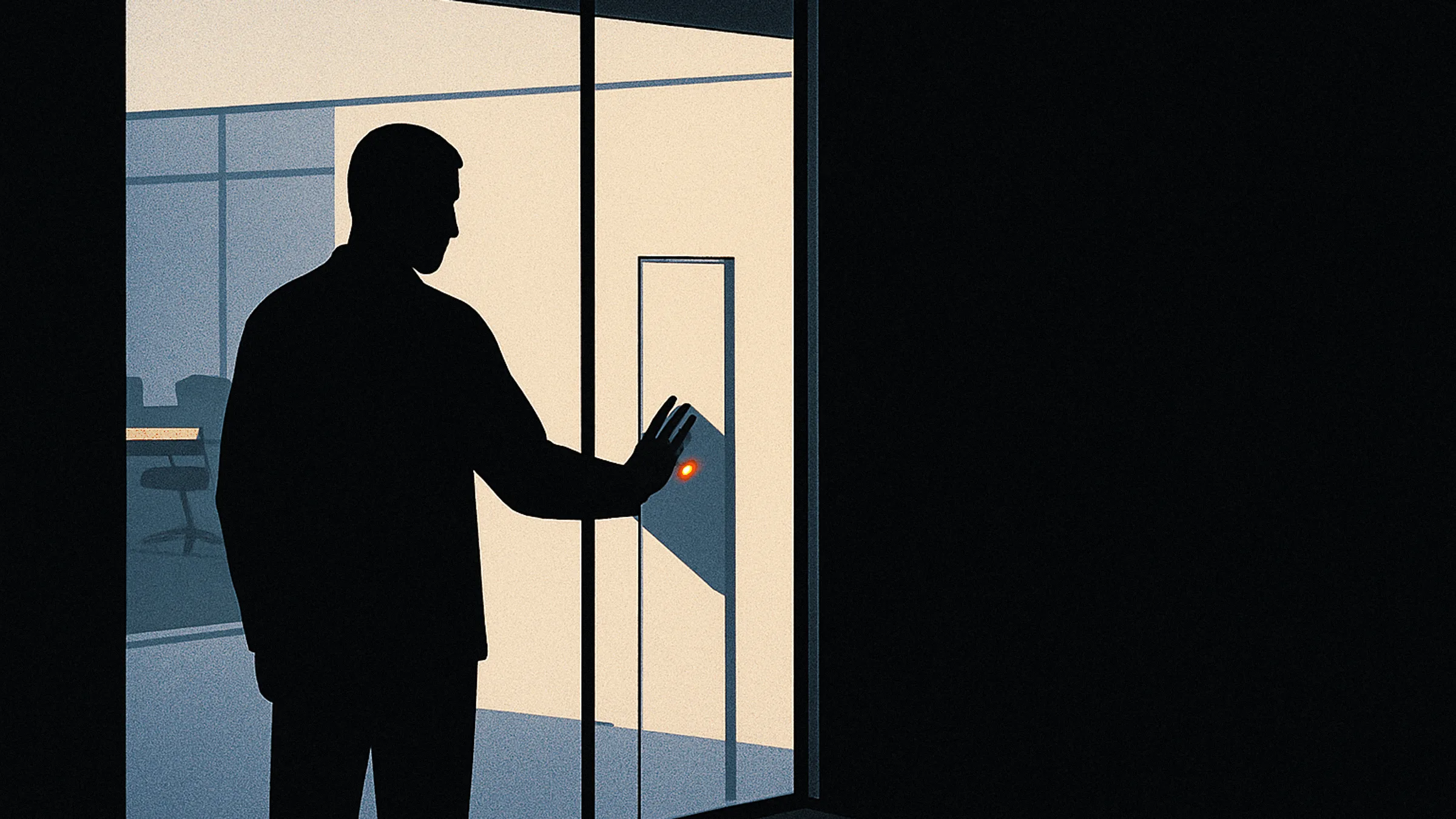
You finish a hard call, and before you've had thirty seconds to think about how it actually went, your calendar drops you into the next one. No gap, no room to process — just the next performance starting on schedule. By the time there's a real pause in the day, three calls' worth of read on what happened have already blurred together, because nothing about the day was built to give you a minute alone with your own thoughts.
Sales tools assume thinking out loud, in front of people, is free
Most of the connective tissue around sales — the live coaching pop-up during a call, the team channel where you're expected to post a quick take right after, the call-review meeting where you narrate your read on a deal in front of five other people — assumes that talking through what just happened, out loud, socially, costs nothing. For a lot of reps it doesn't. For an introvert, it's a second job stacked on top of the first one.
That's not a productivity gap. It's a design assumption baked into how most sales processes are run, and it quietly taxes a specific kind of rep every single day without anyone deciding to.
The energy tax nobody accounts for
The minutes between calls are supposed to be recovery time. On paper, that's when an introverted rep would naturally reset before the next conversation. In practice, that window usually gets filled with exactly the kind of task that costs an introvert the most: a quick verbal update in the team channel, a live debrief, a "just hop on for two minutes" call to recap what happened. For an extroverted colleague, thinking out loud with other people is often energizing. For an introvert, it's another withdrawal from the same account the last call already drew down.
By hour six, the deficit isn't about how the calls went. It's that every gap that should have been recovery time got spent performing instead.
Live scoring adds a specific tax of its own
Call-scoring tools built to feed a group review make this worse in a particular way: they turn every call into something graded, sometimes in real time. That's a real cost for any rep — we've written before about what that kind of live monitoring does to a sales floor more broadly — but it lands hardest on reps who already process conversations by replaying them internally afterward. Knowing a scorecard is being generated while you're mid-call, or that your talk ratio will be reviewed in a meeting later, adds a layer of live self-monitoring on top of a conversation that was already asking a lot.
It's not shyness. It's how you process.
Worth separating clearly: introversion isn't a social skill deficit, and conflating the two leads to bad advice. An introverted rep can be excellent in the room — often better at listening than a naturally talkative one, which tends to build more trust with a buyer who's tired of being sold at. The actual difference is where the processing happens. An extrovert can often think and talk at the same time, in front of people, and come out ahead. An introvert generally needs to think first, alone, before the read is fully formed — and most sales workflows never build in that step.
What the job needs is close to what an ADHD rep needs, for a different reason
This lands in a similar place to what we've written about reps with ADHD: a workflow assumption baked into standard sales tooling that fits a specific kind of brain and quietly fails everyone else. The ADHD case is about when capture happens — before the detail evaporates. The introvert case is about where it happens — alone, not performed for an audience. Different mechanism, same result: a rep working around tools that weren't built with them in mind.
What actually helps: process alone, first
The fix isn't forcing yourself to get better at live debriefs. It's moving the first pass of processing to somewhere private, before anyone else is involved. Talk through the call the moment it ends — to yourself, not to a channel — and let the read settle before you have to hand a version of it to a manager, a teammate, or a scorecard.
That's the whole difference: the thinking still gets captured, in your own words, at the moment it's freshest. It just doesn't have to be performed to get captured.
Built to be a private first pass, not a public one
Sara is built for exactly that gap: talk through a call right after it ends, on your own, with nobody grading it and nothing routed to a team review. The read gets saved while it's still sharp, and what you choose to share with anyone else stays entirely your call. Founders Club is invite-reviewed. Apply at getkeel.io/founders.
The job was never the problem. Most introverted reps are good at the part that actually closes deals — the listening, the patience, the read on what a buyer isn't saying. What wears them down is a set of tools built as if processing out loud, live, in front of an audience, is free for everyone. It isn't. Give the thinking somewhere private to happen first, and the rest of the job gets easier to do well.
By the team at Keel. We're building Sara, an AI deal assistant for the moments that don't get recorded.