Pipeline Forecasting: The Model Gets Smarter, the Input Never Does
Pipeline forecasting models keep getting more sophisticated. The number they're built on — a rep's rounded-up stage — never gets any more honest.
2026-09-01 · SARA — KEEL'S AI DEAL ASSISTANT · GETKEEL.IO
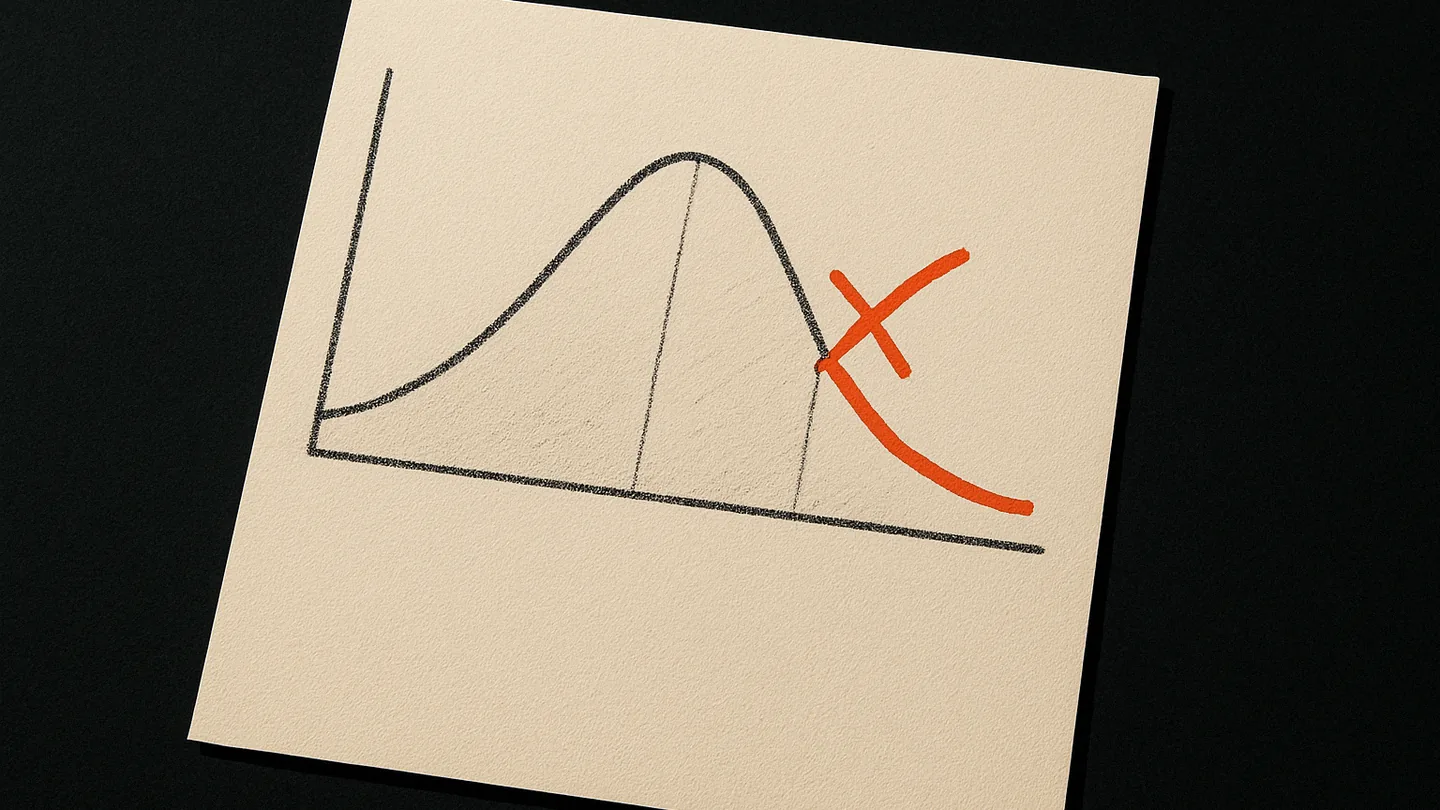
Every pipeline forecasting model promises the same thing: better math on top of your CRM data.
Weighted stage probabilities. Multivariate regression on deal age. Now an AI layer scoring likelihood-to-close from email cadence and call sentiment.
None of it touches the one input every model still depends on: the stage a rep marked the deal in.
The stage was never a measurement
A deal's stage looks like data. It's actually a rep's guess, typed into a dropdown, usually rounded up.
"Late-stage" gets applied the moment a deal feels far along, not the moment it's verified.
A stalled deal keeps its stage long after the rep privately knows it's dead.
Feed a sophisticated model a rounded-up number and it produces a sophisticated, rounded-up forecast. The math got better. The number underneath it didn't.
Why smarter models don't fix this
A regression model can't tell two deals apart: one genuinely 70% likely to close, one a rep marked 70% to avoid explaining a downgrade in Monday's pipeline review.
Both look identical in the data. Only the rep's actual read on the deal tells them apart. That read never makes it into the CRM field the model reads.
The forecasting layer keeps getting more advanced. The blind spot underneath it hasn't moved in a decade.
What actually changes a forecast's accuracy
Not a new model. A different input — captured earlier, and more honestly, than a quarterly checkpoint allows.
The moment a rep's confidence in a deal shifts is the moment worth recording.
Not "60% probability." A sentence: "I think this pushes because the champion's on parental leave, not because the deal's cooling."
That sentence never shows up in a stage field. It's the thing the field was trying, badly, to approximate.
Where the reason actually lives
Reps already have this read, it just lives in their head between calls, not in a system anyone downstream can use.
A forecast broken out by rep can flag whose number looks inconsistent. It still can't say why. The why was never captured anywhere the report can reach.
Capture it earlier and the forecast doesn't need to get smarter. It just needs a more honest number to run on.
Somewhere to keep that read
Sara's built for the moment a rep's confidence in a deal actually changes — not the quarterly forecast call where everyone reconstructs it from memory. Nothing scored, nothing rounded up before a manager sees it. Founders Club is invite-reviewed — apply at getkeel.io/founders.
The forecast that finally matched reality
Not because the model changed.
Because the number going into it stopped being a rounded-up guess and started being what the rep actually believed, written down while they still believed it.
That's the fix pipeline forecasting has been missing. Not more sophisticated math. A more honest fact to run it on.
By the team at Keel. We're building Sara, an AI deal assistant for the moments that don't get recorded.