AI for Hallway Conversations: The Ninety Seconds No Meeting Tool Covers
The comment that changes a deal usually happens walking someone out, not in the room. AI for hallway conversations is built for the ninety seconds after the door closes.
2026-08-04 · SARA — KEEL'S AI DEAL ASSISTANT · GETKEEL.IO
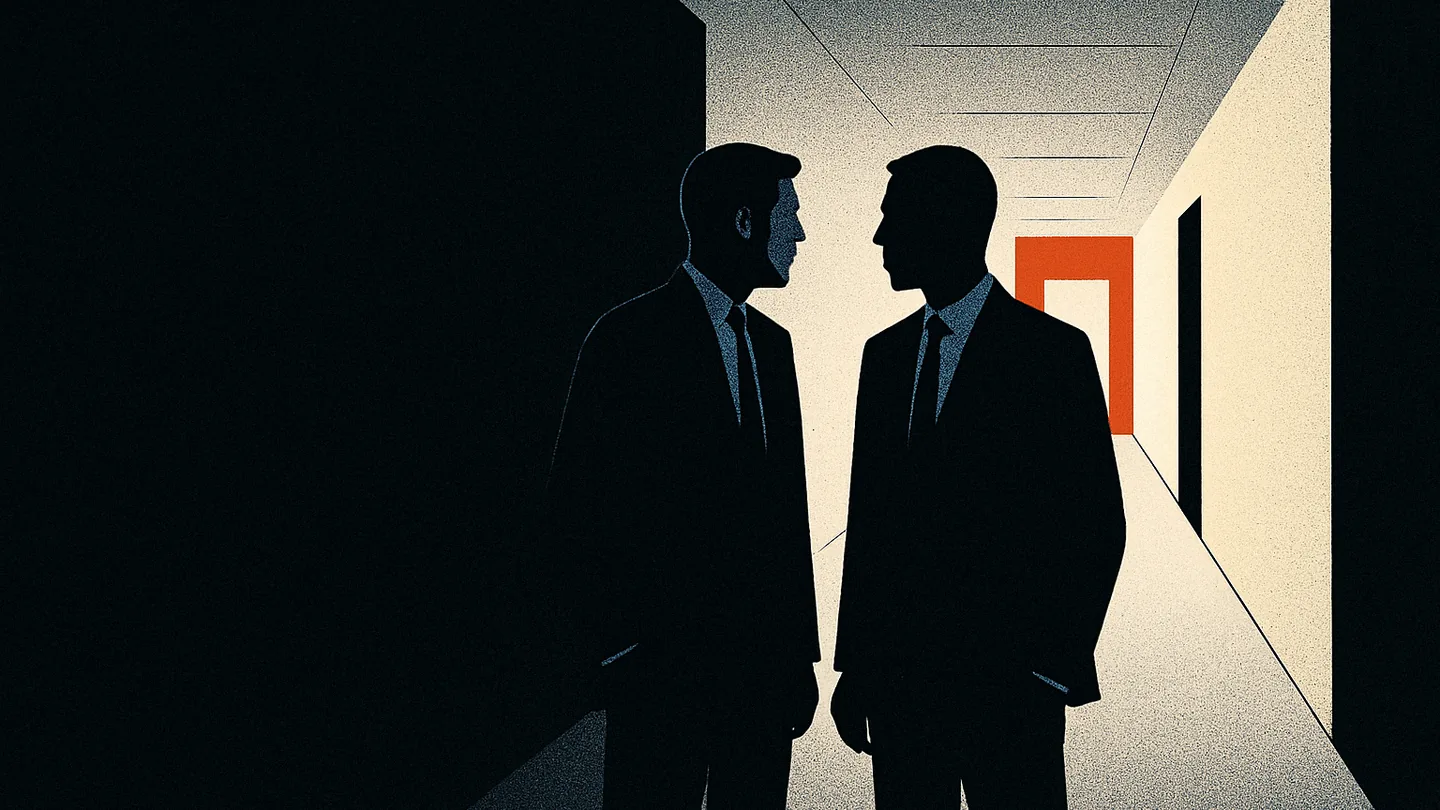
The meeting ends at 2:58. The ops lead walks you to the elevator and, thirty seconds from the door, says the thing she didn't want to say in front of her VP.
No agenda got that out of her. Distance from the room did.
The meeting is not where people are most honest
Every sales process is built around the room — the call, the demo, the deck. It's also, structurally, the place people are least candid.
Someone's boss is on the call. A whole team is watching how the stakeholder plays it. The room has an audience, and audiences change what gets said.
The hallway doesn't have one. That's not a coincidence. It's the whole reason the comment that matters tends to land there instead.
Hallway conversations don't fit any tool built for meetings
Notetakers need a calendar invite to join. Recorders need a dial-in to attach to. The entire sales-AI category assumes something was scheduled first.
A hallway conversation was never scheduled. It has no invite, no dial-in, no event for a tool to find.
So it goes uncaptured — not because it doesn't matter, but because nothing in the stack was built to notice it happening.
Where these conversations actually show up
Being walked out after a meeting, thirty seconds to the elevator.
A stakeholder catching you by the coffee machine with a question they didn't ask in the room.
The lunch before a demo, where someone mentions who else is in the room for the real decision.
A conference hallway between two booth conversations, said to no one in particular except you.
None of it looks like a meeting. All of it is deal-relevant, and most of it is gone by the time you're back at your desk.
What actually needs to happen with it
The instinct is to remember it later. Don't.
Say it out loud the moment you're clear of the hallway — walking to your car, riding the elevator down, before the next thing starts competing for the same three details.
You're not writing a report. You're doing what you'd do telling a colleague what just happened: naming who said it, what changed, and why it mattered.
That's the whole method. It works because it happens before the detail fades, not because it's elaborate.
Why writing it down later doesn't work
By the time you're at your desk, the hallway comment has already started blurring into "she seemed positive." The specific words are gone. What's left is a vibe, and a vibe doesn't help you three weeks from now when you're deciding how to play the next call.
The same problem shows up everywhere a deal moves off the calendar — the drive home, the lunch, the coffee machine. The hallway is just the sharpest version of it, because it happens right after the room, while the contrast between what got said inside and what got said outside is still obvious.
A drive-home debrief captures the whole meeting. A hallway capture is narrower and faster — one comment, thirty seconds, said before the elevator doors close.
The tool has to work without being asked to open first
A rep with ninety seconds doesn't have time for a login screen or a project picker. If capturing the moment takes longer than the moment lasted, it doesn't happen.
So it has to work like a phone call. Talk, and it's held — no folder to choose, no tagging, nothing to configure standing in a hallway.
That's the actual design bar. Not smarter transcription. Just nothing standing between the rep and saying the thing before it's gone.
Say it before the elevator doors close
If you've ever walked out of a building replaying a hallway comment, already feeling it go soft around the edges, that's the moment Sara's built for. Call or text her the second you're clear of the conversation, and it's held the way you'd tell a colleague — not buried under the next thing on your calendar. Founders Club is invite-reviewed. Apply at getkeel.io/founders.
The room gets the agenda. The hallway gets the truth. Build a habit around catching the second one, and the first one gets a lot easier to read.
By the team at Keel. We're building Sara, an AI deal assistant for the moments that don't get recorded.