The Drive Home From a Sales Meeting Is the Best Debrief You're Skipping
CRM discipline says log the meeting fast. The drive home says something better: the read on what actually happened is sharpest right now, in the car, spoken out loud.
2026-08-04 · SARA — KEEL'S AI DEAL ASSISTANT · GETKEEL.IO
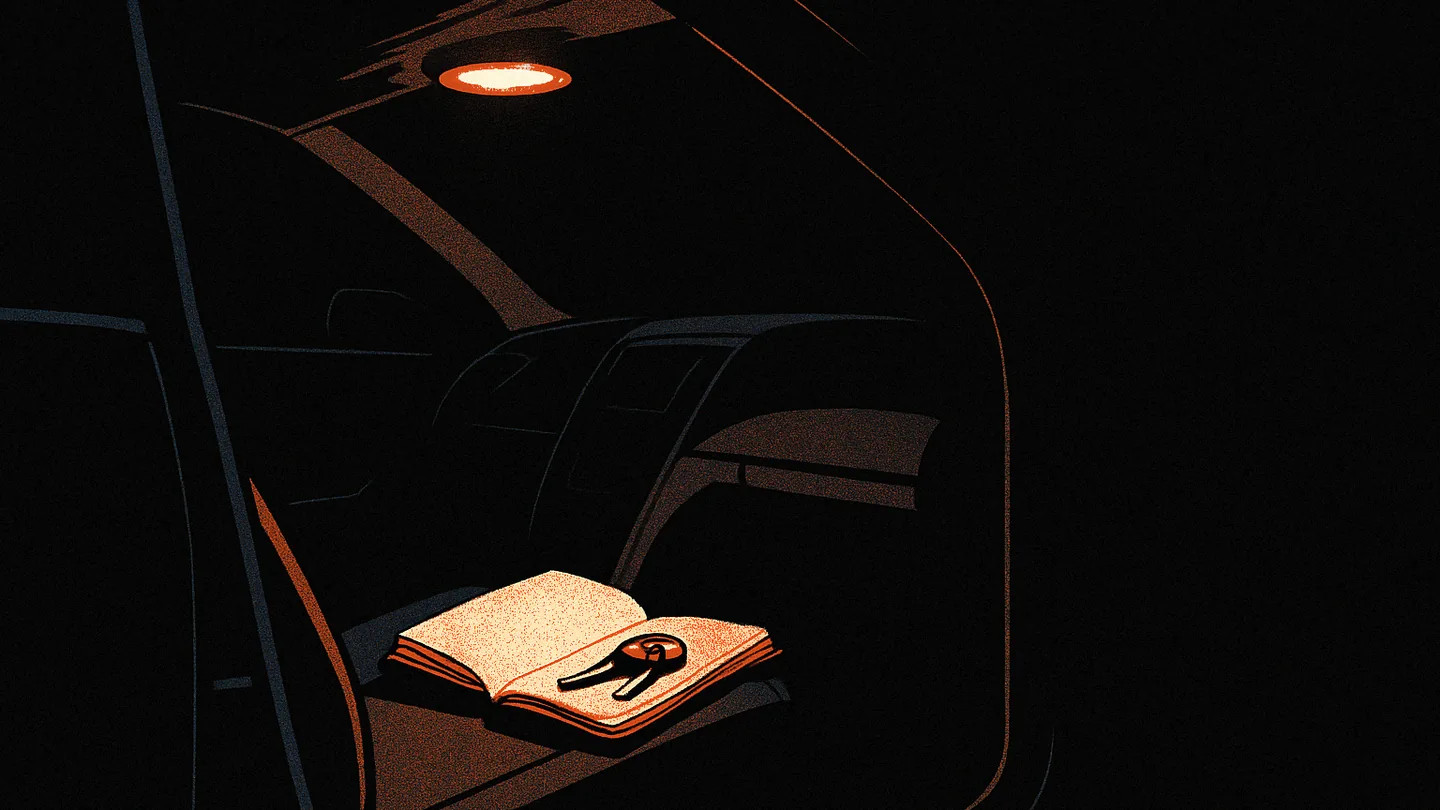
The meeting ended eleven minutes ago. You're in the driver's seat, key in the ignition, not turning it yet. Someone said something in there that changed how this deal reads — a pause before "we're fine on budget," a name mentioned once and never again.
Right now you can still hear exactly how they said it.
By the time you're at your desk, you'll remember that it happened. You won't remember how.
The habit everyone already has
Ask a sales team what good post-meeting discipline looks like. You'll get the same answer everywhere: log it fast.
Open the CRM, fill the fields, move on before the next call swallows the details. Speed is the whole strategy.
It's not bad advice. It's just aimed at the wrong problem.
Getting notes into a system quickly protects against forgetting that a meeting happened. It does nothing to protect the part that actually mattered — the tone, the hesitation, the thing that got said almost by accident.
A CRM field asks what stage the deal is in. It never asks what you noticed.
So the noticing gets left in the parking lot, and the system fills up with stage changes instead of judgment.
The window closes faster than people think
Insight from a meeting doesn't decay evenly. It's sharp for a few minutes, blurry within the hour, and by the next morning it's a summary of a summary.
The gist survives. The texture doesn't.
The drive home sits right inside that sharp window. Not because a car is special — because it's the first unscheduled ten minutes after the meeting ends, before the next thing starts pulling your attention somewhere else.
Typing waits for a desk. A desk is usually forty minutes and three Slack messages away.
Why spoken beats typed here
Typing a note forces you to organize before you've finished noticing. You're translating a felt sense — something's off with this deal — into a field with a dropdown.
The translation strips out exactly the part worth capturing.
Saying it out loud doesn't ask for that translation yet. You can say "something felt off when I brought up the renewal date" before you know why. The why can come later.
The record just needs to hold the observation long enough for the why to catch up to it.
That's the actual claim here. Not that talking is faster than typing, though it is. Talking captures a kind of note typing structurally can't — the one you haven't organized into a sentence yet.
What a drive-home debrief actually sounds like
It's not a report. It's closer to what you'd say to a colleague who asked "how'd it go?" in the elevator right after.
A few things worth naming, every time:
What changed. Not what was discussed — what's different now than before the meeting started.
Who said the thing that mattered. Not everything they said. The one line that's still sitting with you.
What you'd do differently next time. Even one sentence. Especially if it stings a little.
Three to five minutes covers all of it most days. Some days it's ninety seconds.
If you want the sharper, more private version of these questions, it's the same window, asked a little more honestly.
The length isn't the point. Doing it before the next thing starts is.
The reflex that makes it stick
We've written before about the moments that don't survive a meeting bot — the hallway aside, the lunch, the drive home.
This is the same idea from the other direction. The meeting is the performance. The debrief right after is where the actual thinking happens.
Skip it, and you're left with what got recorded — which was never the part that mattered most.
Most reps don't skip the drive-home debrief because they don't believe in it. They skip it because "I'll do it at my desk" is easy to promise and easy to break.
By the time the desk arrives, the sharp version is already gone.
The habit only survives if it's easier than the alternative. Typing later isn't easier. It's just later.
Talk it through before it fades
If you're the kind of rep who notices the thing that mattered and then loses it somewhere between the parking lot and your inbox, that's not a discipline problem.
It's a tooling problem. You needed somewhere to say it the moment you noticed it, not a form to fill out an hour later.
Sara's built for exactly that: talk through the meeting the second it ends, and the read stays captured instead of fading on the drive. Founders Club is invite-reviewed. Apply at getkeel.io/founders.
The drive home isn't dead time between meetings. It's the last few minutes the meeting is still fully yours, before the next thing starts asking for your attention too.
Use it, or lose the version of the meeting that was actually true.
By the team at Keel. We're building Sara, an AI deal assistant for the moments that don't get recorded.