Trust-Based Selling: Why It's a System, Not a Personality Trait
Trust-based selling gets treated like a soft skill some reps are born with. It isn't — it's what a sales org gets once nobody's performing for a scorecard.
2026-08-10 · SARA — KEEL'S AI DEAL ASSISTANT · GETKEEL.IO
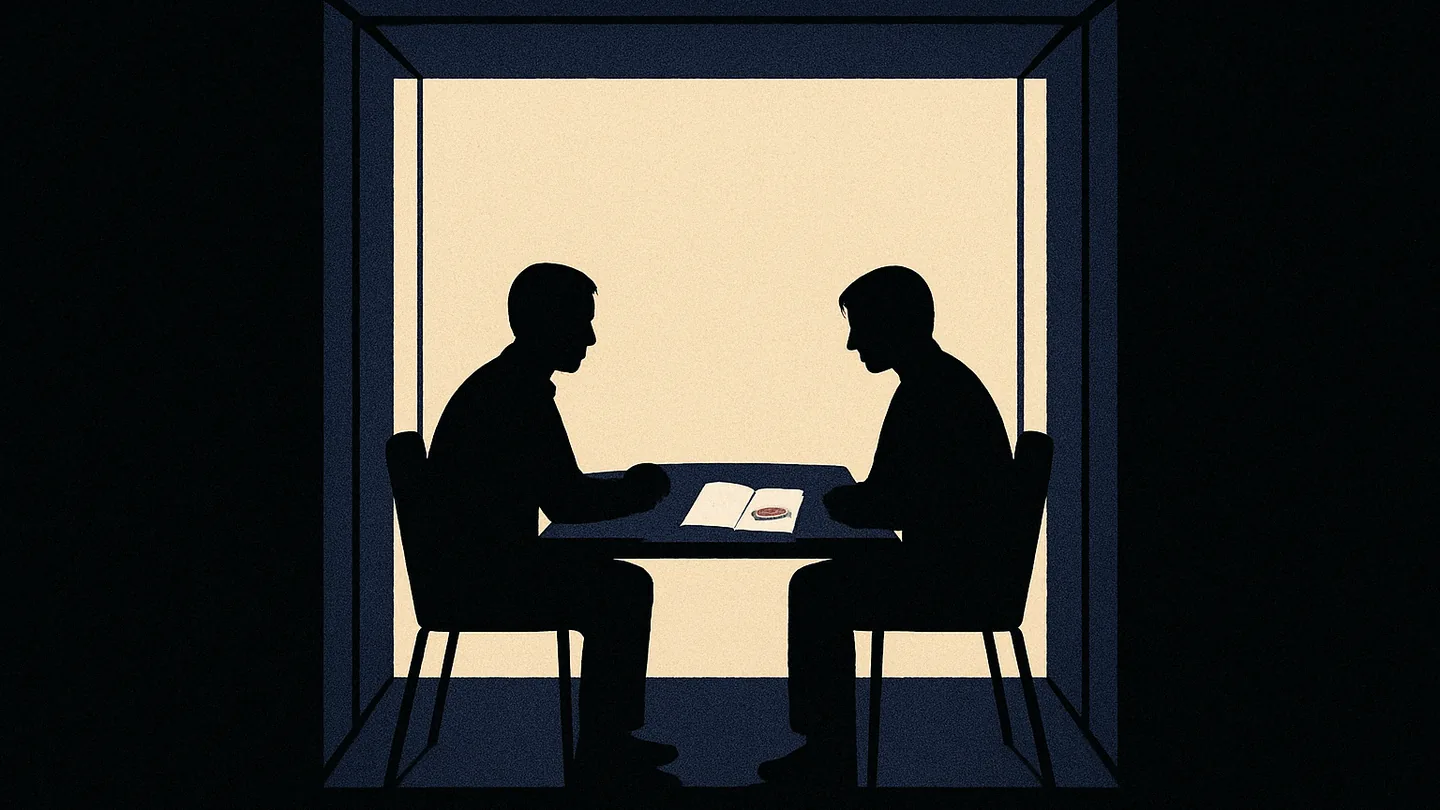
Ask a sales leader what a high-trust culture takes, and you'll usually get a hiring answer: find warm, likable reps, put them on quota. That's backwards.
Trust isn't a personality a rep shows up with.
What trust-based selling actually means
It's not about whether a buyer likes your rep. It's about whether your rep trusts their own read on a deal enough to act on it — without checking what a dashboard already decided first.
That's an internal property before it's an external one. A rep trusted with their own judgment sells with more conviction than one managing a scorecard in the back of their mind during every call.
The thing surveillance actually breaks
Score every call, and a rep stops diagnosing the deal honestly. We've written before about what that costs in attrition — this is the cost that shows up earlier, inside the calls themselves.
A rep who knows the call is being graded performs confidence for the grader. That performance is exactly what shows up on the scorecard, and exactly what's missing from the rep's actual read on whether the deal is real.
Honest judgment needs the absence of an audience. Take the audience away, and the honest read comes back by default — not because the rep got better, but because there's nothing left to perform for.
Trust-based vs. surveillance-based
| | Surveillance-based | Trust-based | |---|---|---| | Optimizes for | Looking good on the call | Being right about the deal | | The rep's honest read | Filtered for the scorecard | The actual output | | Escalation trigger | A flagged metric | The rep's own judgment | | What gets rewarded | Confidence performed | Confidence earned |
The left column measures activity. The right column is the only one that predicts whether a deal closes.
What it looks like day to day
A rep in a trust-based culture writes down what they actually think about a deal — including the parts that make them look uncertain — because admitting doubt costs them nothing.
That's the same instinct behind running a private deal reflection before anyone else grades it: the honest review happens first, alone, and the manager-facing version comes after, once the rep already knows what they think.
Escalation happens because the rep decided something was wrong. Not because a dashboard flagged an anomaly three stages too late to matter.
Build the trust before you ask for the results
Most sales orgs want the results of a trust-based culture — reps who think clearly, escalate early, sell with real conviction — while running a system built to prevent exactly that. Sara's built for the other side of it: a private place to think through a deal honestly, nothing routed upstream, nothing scored. The judgment stays the rep's own.
Apply for Founders Club at getkeel.io/founders.
High-trust sales cultures don't hire their way there. They build a system where the honest read is the easiest thing a rep can produce — and then they get out of its way.
By the team at Keel. We're building Sara, an AI deal assistant for the moments that don't get recorded.