A Second Brain for Sales Reps: Why the Generic Version Never Sticks
Second-brain systems are built for reading and writing at a desk. Sales happens standing up, between calls, with no time to file anything. What a sales-specific version actually needs.
2026-08-01 · SARA — KEEL'S AI DEAL ASSISTANT · GETKEEL.IO
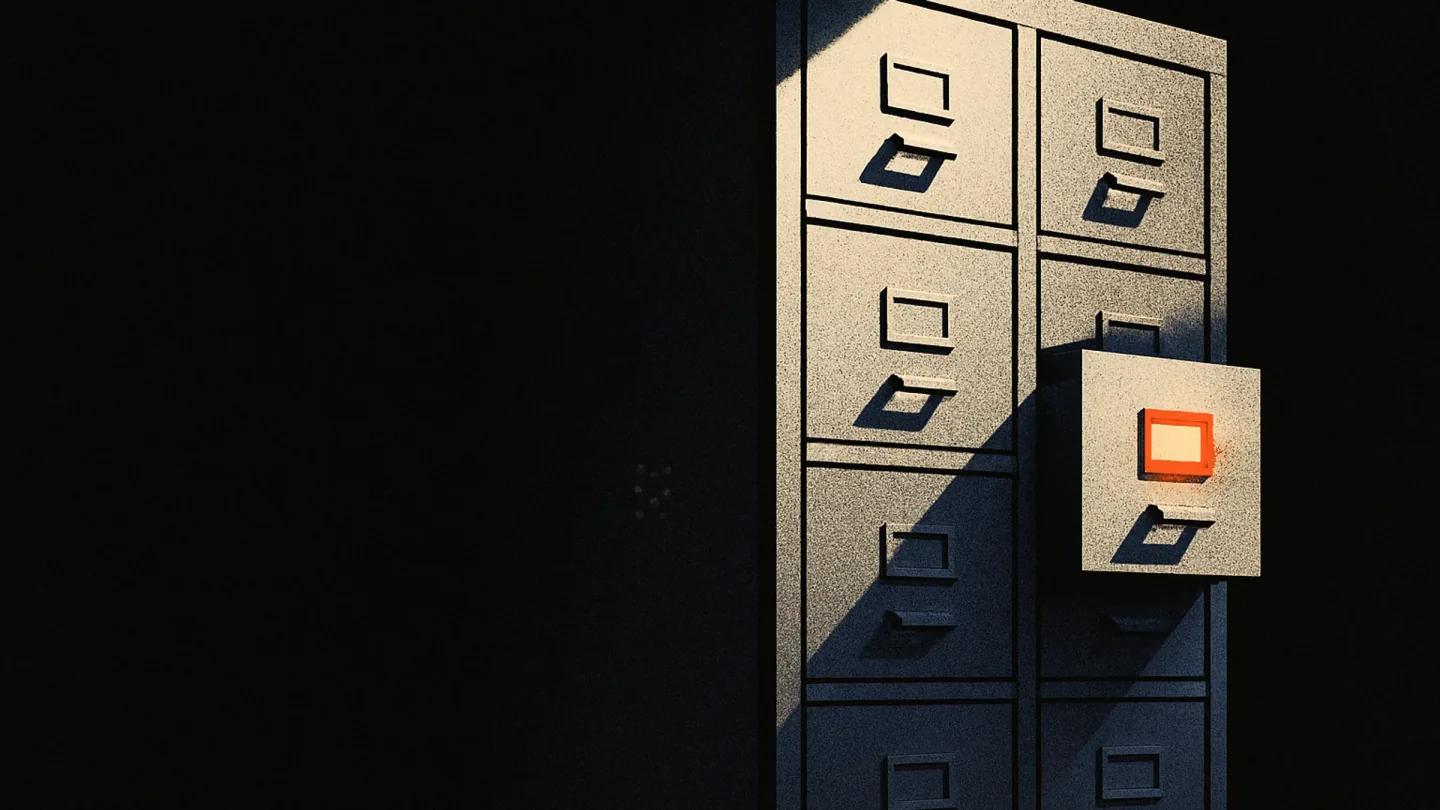
Somewhere between deal fourteen and deal fifteen, you stop being sure which prospect said the budget cycle resets in January and which one said March. Both conversations were good. Both stakeholders seemed engaged. You have eighteen open deals and one memory, and the memory stopped scaling around deal nine.
The term comes from somewhere else. The problem is worse here.
"Second brain" started as a personal-productivity idea — a system outside your head for holding what you've read, learned, and want to build on later, so your actual brain is free to think instead of storing. It's a good idea for a lot of jobs. It's closer to a requirement for sales, because a rep isn't managing one long-running project. She's managing fifteen to twenty of them at once, each with its own cast of stakeholders, own history, own set of half-spoken concerns — and every one of them changes on a call that happens without warning.
Knowledge workers with a second brain are usually trying to think better. A sales rep needs one just to not lose what already happened.
Why the details are the first thing to go
It's never the big facts that disappear — company name, deal size, close date, all safely in the CRM. It's everything underneath that actually decides the outcome: the exact phrase the champion used to describe her own boss's skepticism, the offhand comment about a competing internal project, the moment three calls ago where enthusiasm visibly cooled and nobody named why.
None of that fits a CRM field, and none of it feels important enough to write down in the moment — it just sounds like a person talking. It only becomes the answer you needed once the deal stalls and you're trying to remember what actually happened, working from a memory that's already overwritten by the four deals you've talked to since.
Why the generic tools don't survive contact with a real week
Reps have tried the standard second-brain stack — Notion, Obsidian, a notes app with folders and tags — and mostly it doesn't stick. Not because the systems are bad. Because they're built for a different rhythm: a researcher or writer with time to sit down, think, and file something properly, with the payoff arriving weeks or months later when the archive proves its worth.
A rep doesn't have that rhythm. She has ninety seconds between the call that just ended and the one that's about to start, and a system that asks her to open an app, find the right note, choose the right tag, and write a structured entry loses to that ninety seconds every time. The friction doesn't have to be large. It just has to be larger than the gap, and the gap is small.
What a sales-specific second brain actually has to do
Strip it down to what the job actually requires and the list is short. Capture has to take seconds, not minutes — talking it through beats typing it out, every time, because talking is what already fits inside a ninety-second gap. It has to organize itself around the deal without being told to, because a rep mid-quarter isn't going to build a filing system. And it has to surface the right memory unprompted, right before the call where it matters — not require the rep to remember what she's forgotten and go searching for it.
That last part is the one general tools miss worst. A note archive is only useful if you remember to check it. The moment that actually matters is ten minutes before a call, when you need the one detail from six weeks ago that changes how you open the conversation — and a static notes app has no way to hand that to you unless you already knew to look.
What it looks like when it actually works
Ninety seconds after a call ends, you talk through what happened — what came up, what surprised you, what you're not sure about — the way you'd tell a colleague, not the way you'd write a report. That's the entire capture step. No app to open, no field to fill, no filing system to maintain.
Ten minutes before the next call with that same account, you ask what you flagged last time, and it hands back the exact thread — the champion's hesitation, the name of the stakeholder who came up once and never again — instead of you trying to reconstruct it from a CRM note that says "good call, follow up."
By the time you're managing twenty deals instead of eight, the system hasn't gotten harder to use. It's gotten more valuable, because that's exactly where a human memory starts failing and a captured one doesn't.
Built for the ninety seconds you actually have
If the standard second-brain apps have never stuck for you, that's not a discipline problem — it's that they were built for a job with more spare minutes than sales actually has. Sara's built for the gap that's real: talk through a call the moment it ends, and the detail that would have blurred into the next nine deals is already saved, ready when you need it before the next call. No filing, no tagging, no manager dashboard. Founders Club is invite-reviewed. Apply at getkeel.io/founders.
The rep who remembers everything isn't the one with the best memory. She's the one whose system caught the detail before her memory had to hold it at all. That's the whole idea of a second brain, finally built for the job that actually needs one most.
By the team at Keel. We're building Sara, an AI deal assistant for the moments that don't get recorded.