Lost Deal Analysis: What Actually Killed the Deal, Not What You Told Your Manager
The reason field says "budget." That's rarely what killed the deal. A framework for a lost deal analysis that finds the real cause.
2026-08-02 · SARA — KEEL'S AI DEAL ASSISTANT · GETKEEL.IO
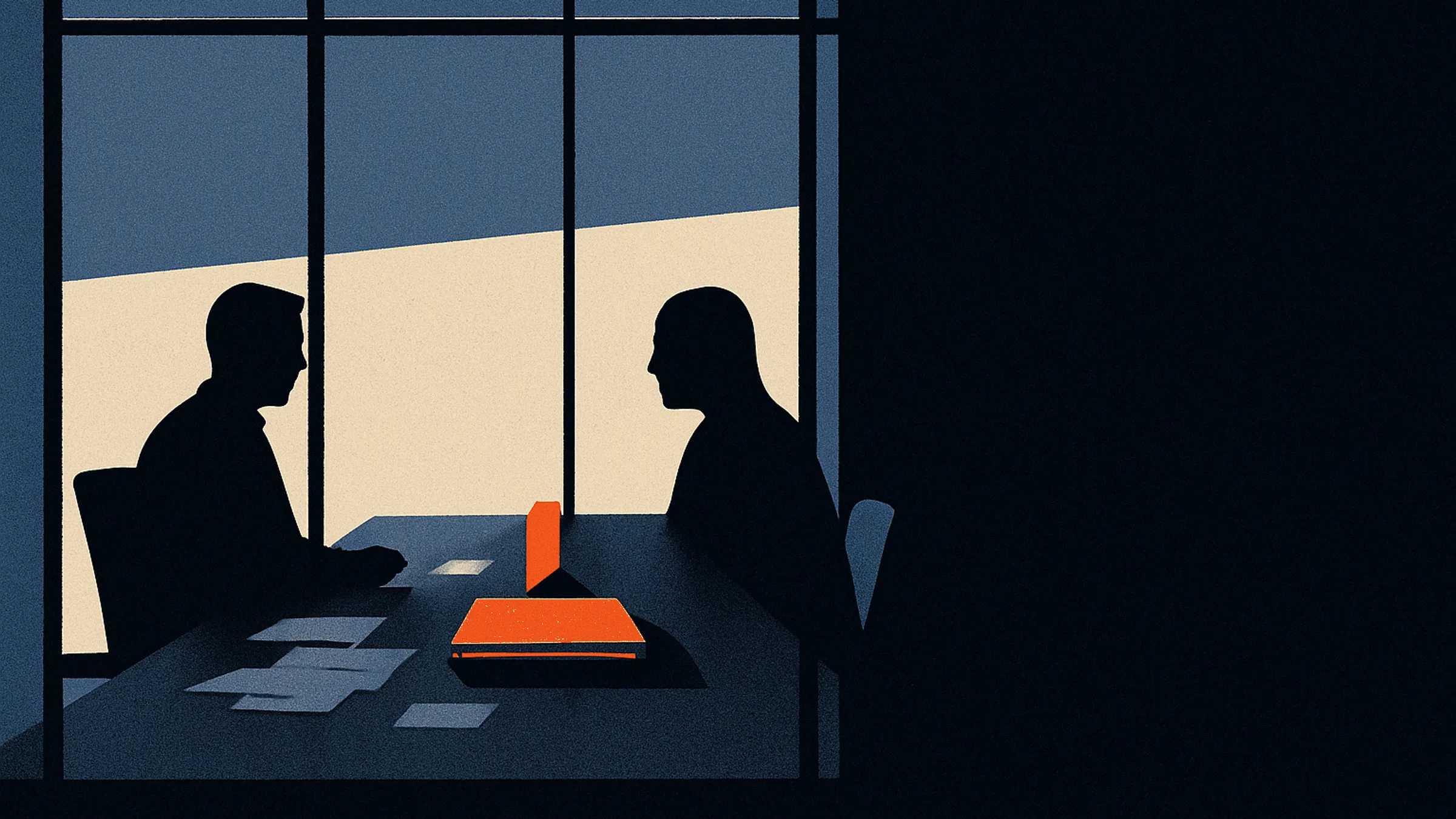
Ana marks the deal Closed Lost on a Tuesday afternoon. The dropdown asks for a reason, and she picks "budget," because that's the last thing the buyer actually said out loud.
That's the version that goes in the pipeline report. It's also not what actually happened.
The reason field is a guess, not an analysis
Most lost deal analysis starts and ends with one dropdown, filled out by a rep who's already moved on to the next opportunity.
The dropdown captures whatever excuse the buyer gave on the last call. It rarely captures the moment, weeks earlier, when the deal actually turned.
Budget is what a buyer says when they've already decided against you and don't want to relitigate it. It's an exit line, not a diagnosis.
A real post-mortem starts before the loss
The deal didn't die on the call where you heard "budget." It died earlier — a stakeholder who went quiet, a demo that answered the wrong question, a champion who stopped forwarding your emails to the committee.
Finding that moment means walking the deal backward, not accepting the label the buyer handed you on the way out.
Ask three questions instead of one.
When did engagement actually change, not when did the deal officially end? Who stopped responding first, and what happened right before they did? What did you say yes to, that in hindsight you shouldn't have?
Why did we lose this deal — the honest version
Every deal review has an honest version and a version that's safe to say in a pipeline meeting. The safe version blames the market, the price, the timing.
The honest version usually names something closer to home: a discovery call that skipped the real objection, a proposal sent before the economic buyer was identified, a champion left to sell internally with nothing you gave them to work with.
That version is uncomfortable. It's also the only one that changes anything about the next deal.
Deal autopsy, not deal excuse
An autopsy doesn't start from what the chart says. It looks at what actually happened, in order, without deciding the answer first.
A lost deal review works the same way. Pull the timeline — every call, every email, every gap in response time. Read it forward once, the way it happened. Then read it backward from the loss, and find where the thread actually broke.
The gap between those two readings is usually where the real answer lives.
The problem is memory, not analysis
Here's what actually makes lost deal analysis hard: by the time a deal closes lost, most reps can't accurately reconstruct what happened three weeks earlier.
The read you had in the room fades days after the call, long before the deal itself is dead. That's not a discipline problem. It's what memory does to anything that isn't written down close to the moment it happened.
A rep who captures a private read right after every call has the raw material for a real lost deal review. A rep who doesn't is stuck reconstructing months of a relationship from a dropdown that says "budget."
Sara exists for that gap: a place to talk through a call right after it ends, so the read is still there whenever the deal closes, whichever way it closes. Nothing is scored and nothing routes anywhere — it's your own account, saved while it's sharp. Founders Club is invite-reviewed. Apply at getkeel.io/founders.
What to do with what you find
A lost deal review that stops at "why we lost" wastes half its value. The other half is pattern-matching across deals — the mistake that keeps showing up, deal after deal, that's invisible looking at one loss alone.
We've written about the closest adjacent case — a deal that goes quiet before it's ever formally lost. The post-mortem and the mid-deal read are the same discipline, run at different points in the relationship.
Run the honest version enough times, and the pattern stops being a surprise. It becomes the thing you fix before the next deal ever gets close to needing an autopsy.
By the team at Keel. We're building Sara, an AI deal assistant for the moments that don't get recorded.