The Gong Alternative That Doesn't Record Anything
Most Gong alternatives just record with a different logo. The actual ask is a tool that helps without ever creating a recorded artifact.
2026-08-01 · SARA — KEEL'S AI DEAL ASSISTANT · GETKEEL.IO
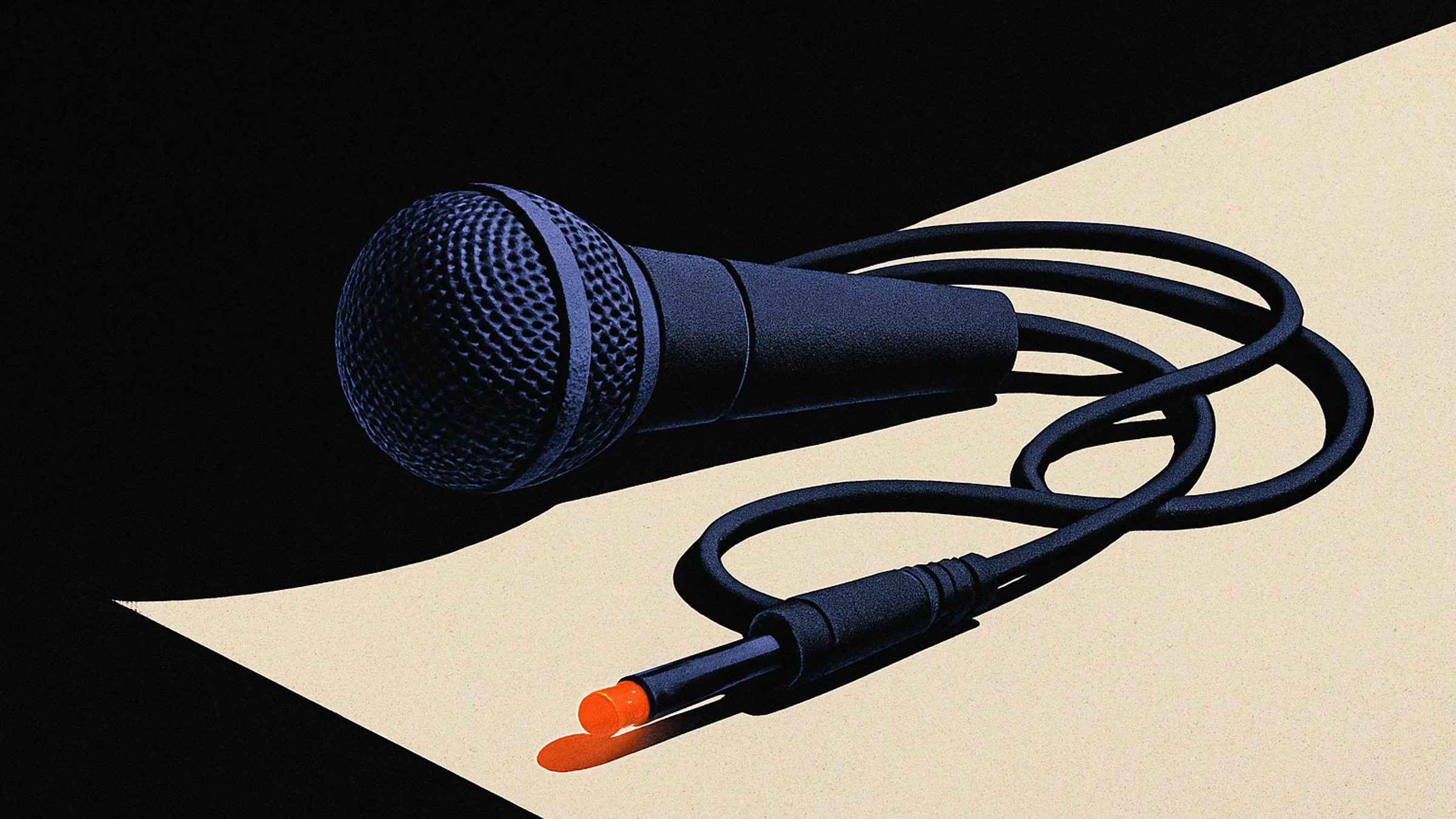
Dana has tried three "Gong alternatives" this year. All three record the call, transcribe it, and store it somewhere she doesn't control. Different logo, same tape. What she actually typed into the search bar — twice, in frustration, adding the word herself — was "Gong alternative without recording." Nobody selling her software seems to have read that word as load-bearing.
The word everyone skips is "recording," not "Gong"
Most comparison content in this space treats "Gong alternative" as a vendor question: which conversation-intelligence platform should replace this one. That's not what the query is asking. Someone who adds "without recording" has already ruled out the entire category most alternatives belong to — they're not shopping for a better recorder, they're shopping for the absence of one.
That's a smaller, stranger market than the comparison sites are built for. Search "Gong alternative" and nearly every result records, transcribes, and scores, just under a different brand. The recording is treated as the product category itself, not a design choice someone might reasonably reject.
Swapping vendors doesn't remove the tape
Here's the part that gets lost: a competitor that records is not an alternative to the thing Dana is worried about. It's the same thing, resold. The tape still exists. It still sits on a server she doesn't administer. It's still discoverable if a deal ever ends up in a dispute, still a HR-visible artifact if a call goes badly, still something a future employer's legal team could ask about in an acquisition.
None of that changes because the logo on the invoice is different. We've written about what a scorecard costs a rep once the tape exists — but the scorecard is a downstream problem. The tape itself is the upstream one, and "alternative" tools that still make one haven't actually solved it.
The legal case for "no recording" isn't hypothetical
This isn't only a comfort preference. In a dozen-plus U.S. states, every party has to consent before a call can be recorded — a customer who didn't explicitly agree turns a routine sales call into a compliance exposure the rep probably didn't intend to create. A tool that never records sidesteps that question entirely, because there's no recording event to get consent for in the first place.
Reps searching for "privacy focused" alongside "Gong alternative" are usually naming this exact worry, even when they don't have the statute number handy. The instinct is sound before the legal research catches up to it.
What "no recording" actually removes
Cut the recording out and a specific list of risks goes with it. No audio file that could be subpoenaed. No transcript that outlives the deal it describes. No consent conversation to have with a customer before every call. No permanent record of the moment a rep improvised past the script and said something more honest than the training deck would allow.
What's left is the part of conversation intelligence people actually wanted: help remembering what happened and thinking clearly about what to do next. That part doesn't require an audio file. It requires the rep telling the tool what happened, the same way they'd tell a colleague in the hallway — except the tool remembers it and asks a better follow-up question than the hallway does.
The debrief-after model, not the record-during one
The alternative that actually answers Dana's search works on a different clock than Gong does. Instead of listening in real time and scoring the call as it happens, it waits until the call is over and lets the rep describe it — by voice, by text, in whatever shape the thought actually comes in.
That single design choice changes what the tool can be trusted with. A rep won't tell a scored recording what she's actually worried about in a deal. She will tell a private debrief exactly that, because nothing about the format punishes honesty. The moments that make or break a deal mostly happen where recording never reaches anyway — the debrief model meets reps where the thinking already happens instead of trying to capture more of the call.
What to check before you call anything "no recording"
Three questions separate the real thing from a rebrand. Does the tool ever generate an audio file or transcript of the customer conversation — not "who sees it," but does it exist at all? Does it require the customer's consent to operate, the way a recording tool legally must in consent states? And does it work from what the rep says after the call, or does it need to be listening during it?
A genuine no-recording alternative answers all three the same way: no artifact, no consent requirement, works entirely from the rep's own account afterward. Most tools claiming the "alternative" label fail the first question immediately.
Where Sara fits
Sara never records, transcribes, or joins a call — there's nothing generated during the conversation for a court, a customer, or a future employer to ever ask about. A rep talks to Sara after the conversation that mattered, by phone or text, and Sara helps her think through what just happened and what comes next.
Built for reps who searched "without recording" and meant it literally, not as a euphemism for "hidden from my manager." Founders Club is invite-reviewed. Apply at getkeel.io/founders.
The alternative isn't a nicer version of the tape
If "Gong alternative without recording" is what you actually typed, the real answer isn't a competitor with better UI and the same underlying mechanism. It's a tool built around the assumption that the conversation never needs to become a file at all — because the value in a sales call was never the audio. It was what the rep understood by the end of it.
That's the thing worth carrying forward. The tape was always a proxy for memory. Once you have a way to keep the memory without the tape, the tape stops being the feature anyone actually wanted.
By the team at Keel. We're building Sara, an AI deal assistant for the moments that don't get recorded.