Conference Follow-Up AI: The Badge Scan Isn't the Problem. The Blank Memory Is.
Fast follow-up emails after a conference die anyway, because the speed was never the missing piece. What's missing is the specific detail that made each conversation worth having.
2026-08-15 · SARA — KEEL'S AI DEAL ASSISTANT · GETKEEL.IO
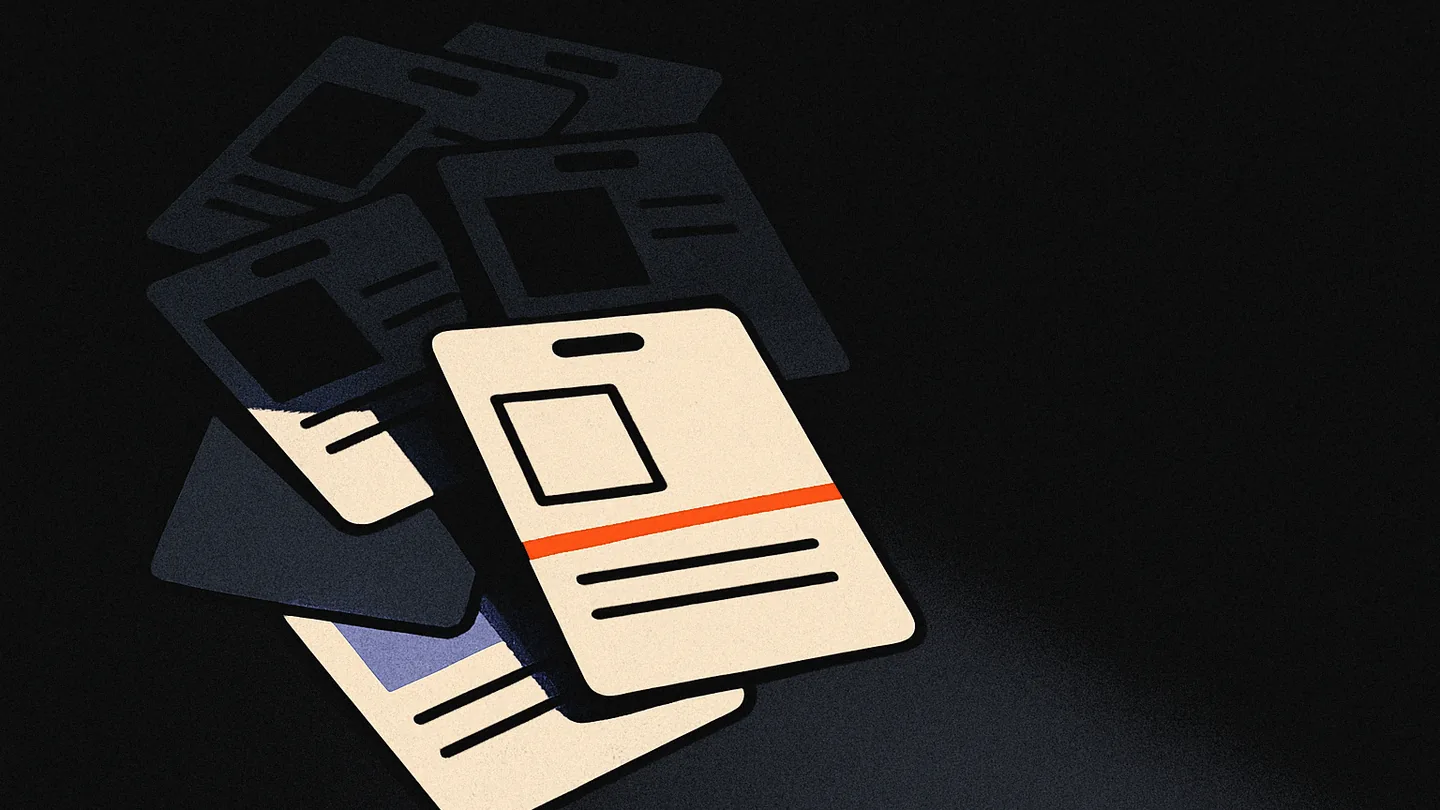
By hour four on the floor, the badge scanner has a rhythm. Scan, talk, scan, talk.
By hour eight, the pocket has forty slips of paper and the memory has maybe twelve distinct conversations left in it.
The flight home doesn't get that memory back.
The speed advice solves the wrong problem
Every conference playbook says the same thing: follow up within 24 to 48 hours, before the prospect forgets you.
That advice assumes the rep is the one who'll remember. Usually neither person does — the prospect had a dozen booth conversations too, and the rep had forty.
What actually happens between the booth and the inbox
Conversation eight blurs into conversation nine somewhere around lunch. By the last session of day two, the specific thing that made lead twenty-three worth a follow-up is gone.
What survives is a badge scan and a job title. Everything that made the conversation a lead instead of a scan — the actual pain they named, the competitor they mentioned, the "call me in Q1" they said with a straight face — is the part that doesn't survive.
Why the fast, generic email underperforms
A same-day email sent to two hundred scanned badges reads exactly like what it is. The prospect can tell in one sentence whether the sender remembers them specifically or is working through a list.
Speed without specificity doesn't build the relationship the conversation started. It just closes the loop faster on a version of the conversation that never actually happened.
A slower email that opens with the actual detail — the tool they said they were evaluating, the timeline they mentioned — reads as a real person who was there. That's the email that gets a reply.
The fix has to happen at the booth, not after the flight
The detail that makes a follow-up land has to get captured in the gap between conversations, not reconstructed from memory three days later.
That gap is short. A few steps to the next aisle, maybe a minute before the next person walks up.
It's just long enough to talk through what the last conversation actually covered — out loud, the way you'd tell a colleague walking next to you — if there's something there to catch it.
What a real follow-up needs to reference
Not the company name and title. Those are already in the scan.
The thing that makes a prospect feel remembered is the detail nobody else at the booth would have said the same way: the specific problem, the specific timeline, the joke they made about their own procurement process.
That's what turns "thanks for stopping by" into a conversation the prospect actually continues.
Built for the aisle, not the hotel room
The details that make a deal worth following up on almost never survive to the hotel room, let alone the flight home — they get overwritten by whatever happened next, one booth at a time.
Sara's built for that gap: talk through a conversation the moment it ends, and the specific thing that made it worth a follow-up is already saved, ready when you're writing the email instead of trying to remember which prospect said what. Founders Club is invite-reviewed. Apply at getkeel.io/founders.
Forty badge scans, twelve real conversations
The reps who get real replies from conference leads aren't the ones who email fastest. They're the ones whose email proves they were actually listening.
That proof has to be captured before the memory of it fades — which, on a conference floor, is usually before the next handshake.
By the team at Keel. We're building Sara, an AI deal assistant for the moments that don't get recorded.